
Pocket screens have become the new pokies lounge for plenty of punters chasing a quick flutter between trains and trades. The shift toward mobile wagering has turned casual gaming into something you can carry in your pocket, and the phrase gaming machines on Android gets thrown around plenty when mates compare apps over a cold one. It is not just about spinning reels on the bus; the whole ecosystem of apps, payments, and responsible play has reshaped how Australians interact with digital wagering.
Operators have poured millions into smoothing out the experience, but the reality on the ground is messier than the glossy app store screenshots suggest. You have got interstate licensing quirks, state-based restrictions, and a whole lot of marketing spin that rarely mentions the odds sitting quietly behind every spin. That is where a clear-eyed look at the tech, the rules, and the maths matters more than the usual hype.
Plenty of locals treat their phones like a personal club, tapping through bonuses and free spins without giving much thought to the fine print. The convenience is undeniable, yet the same screen that delivers a quick win can also mask the house edge that has been baked into the software from day one. Understanding how these platforms work is less about chasing a big score and more about knowing what you are actually tapping into.
We will walk through the nuts and bolts of mobile pokies, the regulatory patchwork that governs them, and the practical steps worth taking before you load up your wallet. Along the way, you will see how the numbers stack up, where the industry stands, and what a sensible player should keep in mind when the reels start turning on a smartphone.
How Android pokies actually work under the hood
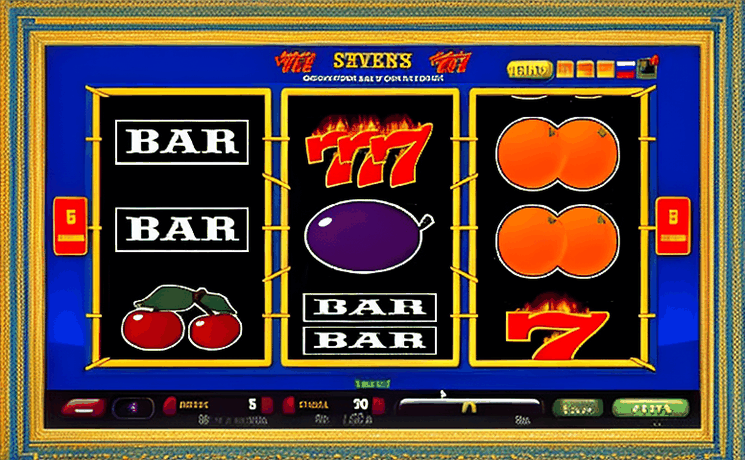
Modern mobile slots run on the same core mechanics as their desktop cousins, but the delivery layer has been stripped down to fit a touchscreen and a battery. Developers pack the graphics, sound, and random number generation into a compact build that loads quickly over mobile data, which matters when you are sitting in a pub with patchy reception and a timer on your lunch break. The underlying maths does not change just because the interface is smaller, and that is worth keeping in mind when the wins start coming thick and fast.
Multiline pokies let you bet on many paylines at once, increasing both cost and hit frequency, which is exactly why so many apps push the higher-line setups as the default option. You might see a string of small wins roll across the screen and feel like the machine is paying out, but the net result after accounting for the multiplied bet per spin can tell a different story. The hit frequency goes up, sure, but the average return per dollar spent still settles back toward the programmed edge over a long session.

The odds of being dealt a royal flush in five cards are roughly 1 in 649,740, and that kind of rarity is the sort of benchmark that puts big jackpot claims into perspective when you are scrolling through bonus screens. Mobile games lean heavily on visual feedback and near-miss animations to keep the session moving, which is fine for a bit of entertainment but not a reliable way to judge whether the maths is working in your favour. A clear head on the numbers beats a flashing screen every time.
Battery drain, data usage, and session timeouts are the boring bits that actually shape the experience more than the bonus features do. A well-built app will handle background processes cleanly and let you pause without losing your place, while a clunky one will chew through your data and leave you fighting lag just as the reels are about to settle. Those practical details matter just as much as the themes and soundtracks when you are playing on the go.
The Australian regulatory patchwork and what it means for players
Australia’s wagering rules are a proper mosaic, with each state and territory running its own licensing arrangements and consumer protections that do not always line up neatly. A player in Sydney might be dealing with one set of disclosure requirements while someone in Perth is looking at a different compliance framework, and the apps have to juggle those differences without making the experience feel fractured. The result is a market where convenience is high but the fine print can shift depending on where you are sitting.
Remote gaming has been a sticky subject in statehouses for years, with lawmakers weighing the tax base against concerns about accessibility and harm minimisation. The debate rarely settles into a tidy consensus, and operators have to keep their compliance teams busy just to stay aligned with the latest guidance. That constant tuning is one reason why the same app can feel slightly different depending on the jurisdiction you are logging in from.
Macau opened its market to foreign operators in the early 2000s, and that historical shift is often pointed to when people talk about how quickly a regulated market can scale once the gates open. The Australian scene has followed a more cautious path, with licensing tied to local entities and stricter advertising boundaries, but the underlying lesson about market access and competition still echoes in boardrooms down under. The pace of change here is slower, but the scrutiny is heavier.
For punters, the practical takeaway is to check which license covers the app you are using and what dispute pathways are actually available if something goes sideways. A polished interface does not automatically mean the operator is playing by the same rules in every region, and a quick look at the footer details is worth more than a glossy promo banner. Knowing the jurisdiction behind the screen is a basic step that gets skipped far too often.
What operators and regulators are pushing back on
Marketing teams love to frame mobile slots as harmless entertainment, and there is a fair chunk of truth in the idea that a short session on a phone is not the same as a long night at a venue. The counterpoint is that the same convenience makes it easier to lose track of time and money, especially when bonuses and free spins are layered on top of a fast-loading interface. Both sides have a point, and the truth sits somewhere in the middle of the marketing copy and the harm-minimisation data.
Georgia Davies, Responsible Gambling Adviser, Harbour Bet Insights, puts it plainly: “The phone removes the physical cues that used to tell people they have been at the machines too long, so we push for built-in session prompts and clear loss limits that actually interrupt the flow.” That is a reasonable stance from a harm-reduction angle, and it lines up with the kind of design changes that can make a real difference without killing the product.
On the operator side, the argument is that responsible tools work best when they are optional and unobtrusive, because heavy-handed pop-ups can drive players toward less regulated alternatives. The tension here is real, and neither side has a monopoly on the right answer, because a prompt that feels helpful to one player can feel like a nuisance to another. The balance is in giving people the controls without making the experience feel like a lecture.
Samuel Evans, iGaming Regulatory Consultant, Outback Gaming Research, sees the bigger picture when he says: “The market matures when disclosure becomes standard rather than optional, and that means operators who hide the edge behind flashy bonuses are the ones who eventually draw the regulator’s eye.” That is a fair warning from a compliance perspective, and it underscores why transparency is becoming a competitive factor rather than just a box-ticking exercise.
Picking a solid app without getting burned
A good mobile pokies app should make the rules easy to find, the payment paths clear, and the responsible play tools impossible to miss. You want a platform that shows the paytable without making you dig through three menus, and one that lays out the bonus terms in plain English instead of legal shorthand. The best apps treat the player like they are going to read the details, because the ones that do not usually end up with a reputation for fine-print surprises.
Security is the other half of the equation, and a proper app will use standard encryption for logins and payments while keeping your data out of the marketing funnel. It is worth checking whether the operator publishes its licensing details prominently and whether the support team actually answers instead of bouncing you around a chatbot loop. Those basics separate a trustworthy platform from one that is just chasing sign-ups.
If you are testing the waters before putting real money on the line, a jammin jars demo is a sensible way to see how the reels behave without touching your wallet. Demo modes are not a crystal ball for real-money results, but they do let you get a feel for the pacing and the feature triggers before you decide whether the game is worth a spin with cash on the line. It is a low-stakes way to separate the themes you like from the ones that just look flashy.
Joe Fortune and the competitive landscape
Joe Fortune has carved out a spot as one of the leaders of the Australian market in the comparison table that serious punters keep bookmarked, and that standing comes from a mix of brand recognition, bonus structures, and a mobile experience that has been tuned for local habits. The operator leans into the Aussie vernacular and the familiar rhythms of local wagering, which helps the platform feel less like a generic offshore product and more like something built with the local crowd in mind. That kind of positioning matters when you are choosing where to put your money.
The competitive field is crowded, and the differences between operators often come down to the details rather than the big promises. Some platforms push harder on bonus value, others on faster withdrawals, and others on the breadth of game libraries, which means the right choice depends on what you actually care about rather than the loudest ad campaign. A side-by-side look at the practical features tells you more than a headline bonus ever will.
| Operator | Mobile focus | Bonus style | Withdrawal speed | Licensing visibility |
| Joe Fortune | Strong Android build with quick load times | Match and free spin mix with clear caps | Standard processing with stated windows | License details shown in footer |
| Mid-tier rivals | Variable app polish across states | Aggressive welcome offers with tighter terms | Mixed, often dependent on method | Inconsistent placement of compliance info |
| Budget-focused apps | Lighter graphics, faster sessions | Smaller bonuses, simpler terms | Often quicker on low-value payouts | Basic disclosure, less prominent |
The table above is a quick way to see where the practical differences sit, and it is worth reading the fine print behind each column rather than just scanning the headlines. A platform that looks strong on bonuses can still be clunky on withdrawals, and one that feels plain on the surface might actually be the easiest to use when you are playing on a phone with one hand. The details are where the real comparison happens.
Money, bonuses, and the maths behind the spin
Bonuses are the main draw for a lot of players, but the wagering requirements and game contributions behind them can turn a flashy offer into a slow grind if you do not read the terms before you claim it. A big zelvito.com match bonus looks generous until you realise the contribution rate on the pokies you actually want to play is capped, and the rollover sits higher than the headline suggests. The smart move is to treat the bonus as a feature of the overall deal, not the whole deal itself.
Payment methods on Android apps have gotten smoother, with wallet options and instant deposit paths making it easier to top up without jumping through hoops. The flip side is that the same convenience can make it harder to pause and think, so a quick check on your own limits before you load up is a habit worth building. Fast money in should always be matched by a clear plan for money out.
If you want a second opinion on where the value actually sits, a look at casino listings can help you compare the practical terms across a few operators without getting lost in the promo noise. Independent roundups are useful because they tend to focus on the terms and the user experience rather than just the biggest number on the banner. That is the kind of comparison that saves you from signing up for a deal that looks good but plays out awkwardly.
The maths behind the spin is the part that never gets the spotlight, and it is where the house edge quietly does its work across thousands of rounds. A session can feel lively because of the frequent small wins, but the long-run expectation still leans toward the programmed return, which is why bankroll discipline matters more than chasing a lucky streak. Knowing that the edge is always there keeps the session in perspective.
Practical habits for playing on the go
- Set a clear loss limit before you open the app and treat it like a hard stop, not a suggestion you can renegotiate with yourself mid-session.
- Use demo modes to test a game’s pacing and features before you commit real money, especially if the bonus terms are tied to specific titles.
- Check the licensing and support details in the app footer so you know where you stand if a payout or bonus dispute comes up.
- Keep an eye on session time and battery drain, because a tired thumb and a lagging screen are a poor combo for clear decisions.
- If you are hunting for practical tips on stretching your entertainment budget, a browse through frugal Aussie threads can point you toward sensible habits without the hype.
The habits above are not about turning mobile pokies into a winning strategy, because the edge does not care how disciplined you are on a given night. They are about making the session something you can enjoy without it turning into a mess of surprise charges, missed terms, or a bankroll that disappears faster than you meant it to. A bit of structure goes a long way when the reels are only a tap away.
Playing on a phone is convenient, and that convenience is exactly why the experience needs a bit of discipline around it. The apps are built to be smooth and engaging, which is fine, but the player who treats the screen like a proper wagering environment rather than a toy is the one who gets the most out of it without the usual headaches. That is the real balance worth aiming for.